


“Where do we even start planning our renovation?”
Our simple renovation planning guide for first- time home renovators.
Step 1: Start with what’s not working
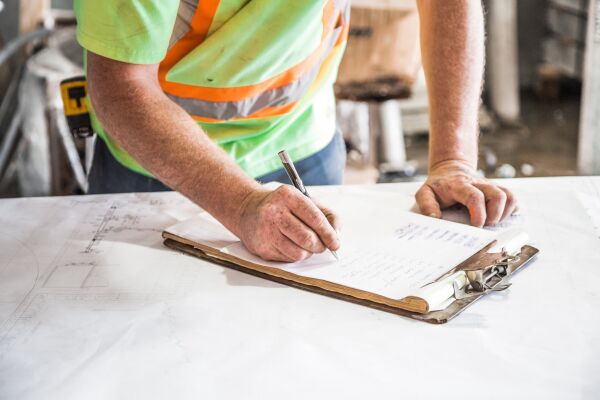
Walk through your home and write down anything that frustrates you. Here are common examples to help you get started:
Comfort & health issues (fix these first)
- Cold, damp rooms
- Condensation or mould
- Poor heating or insulation
- Bathrooms that don’t ventilate properly
- Drafty windows or doors
- The kitchen feels disconnected from the living areas
- No easy flow to the outdoor space
- Living spaces feel dark or closed off
- Awkward room layouts that don’t suit how you live
- No clear indoor-outdoor connection
- No second bathroom (or only one for a family)
- Lack of storage
- No laundry space or poor layout
- Not enough bedrooms/home office space
- No off-street parking
- Hard-to-use driveway or access
- Poor access to the garden
- Outdoor space not usable (too wet, no shelter, no flow)
Step 2: Sort into 3 simple buckets
Must Fix (Needs): Things you have to address:
- Damp, mould, structural issues
- Broken or outdated systems
- Anything affecting health or safety
These should always come first in your scope. Not only will these impact your personal health, but also cause your home to lose value most rapidly. And add major reparation costs if left untreated.
Would improve your daily life: Things that make your home feel better to live in:
- Opening up the kitchen
- Adding indoor–outdoor flow
- Creating better light and space
- Adding a second bathroom
These often deliver the biggest emotional impact for clients.
- Designer finishes
- Feature lighting
- Built-in cabinetry upgrades
- Outdoor extras (fire pits, pergolas, etc.)
These come last, once your core problems are solved.
Step 3: Identify your “Top 3 Priorities”
Keep it simple, for example:
“If we could only fix 2–3 things in this home — what would make the biggest difference?”
- “Make the house warm and dry”
- “Connect the kitchen to the living area”
- “Add a second bathroom”
This helps avoid overwhelm and keeps your project focused.
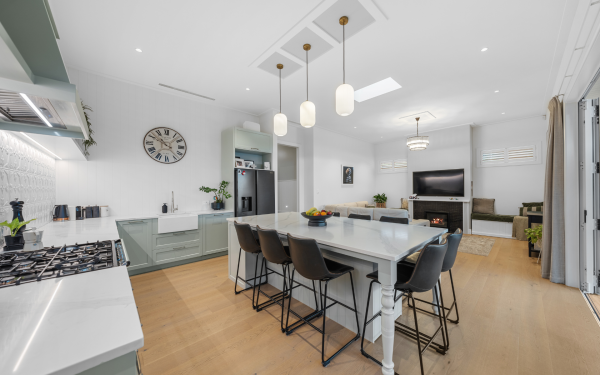
Step 4: Think about how you want to live
Ask yourself:
- Do you want to entertain more?
- Do you want better family flow?
- Do you need quiet/work spaces?
- Do you want the house to feel lighter and more open?
Renovations should always support how people live, not just how things look.
It's easy to get distracted by finishes and fittings before really understanding what's important first. Then the reward is selecting all of the ways your home will look and feel uniquely yours.
This is a great list to print off and refer to when starting your renovation process.
"We always suggest that clients start by fixing what’s not working, then improve how the home feels to live in — and only then look at finishes and extras" - Kate and Paul, proud owners of Alpha 1 Builders.