


How can I keep my costs down and still achieve a beautiful renovation?
How can I keep my costs down and still achieve a beautiful renovation?
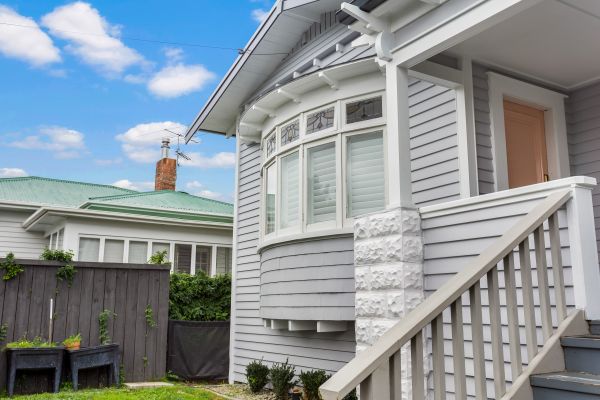
This is a hot topic at present with people feeling the pinch of high inflation and tight lending. So we thought that we would share some suggestions on how to keep your costs down and still achieve a beautiful renovation. Let's check them out...
There are two important stages that make a big difference to the cost & success of your renovation.
Stage 1 The design phase:
Most people jump to the build portion of their project when thinking about how to keep costs down. Which is understandable. But, we want you to know there are many ways to get the most out of your design before the build starts. So, let’s start there.
Of course, if you already have plans, that's great! Still show them to your builder and see if he can suggest any ways where there could be cost-saving options that will still provide a beautiful result. Find out how to save money during your renovation in STAGE 2 a little further down the page.
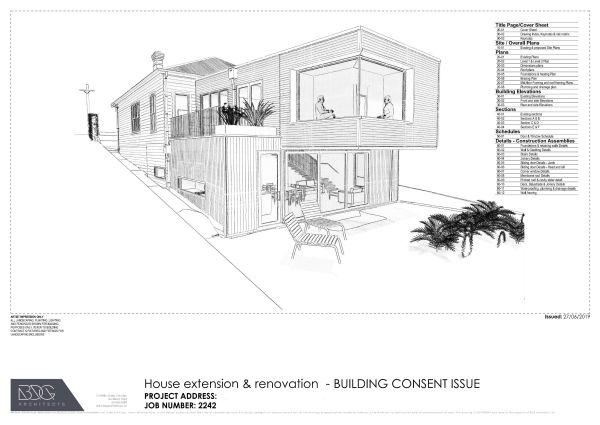 We suggest getting a builder involved as early as possible. Here's why...
An experienced builder can guide you in so many ways, we've listed some of them below.
They can advise you with a ballpark consultation at your place discussing ideas and costs:
Arrange for your builder to meet on-site for a consultation.
Here you can discuss what you want to achieve and of course ballpark costs.
This will allow you to see roughly what you can realistically do and afford. Then, you can go to an architect/designer with a basic budget to design your renovation to.
*We recommend if you are looking to finance that you check this as early as possible too. It's best to know what your lender is comfortable lending before you get too far down the design/reno path. It can save time and money with revisions to your project scaling up or down to suit your lending.
Suggesting an architect/designer to suit your needs and budget: Your builder will have worked with lots of architects/designers over the years. They will know how they work, what they specialise in, and how much they cost. So, why not ask your builder if they can recommend an architect that they have achieved amazing results with? Perhaps you could meet with them together?
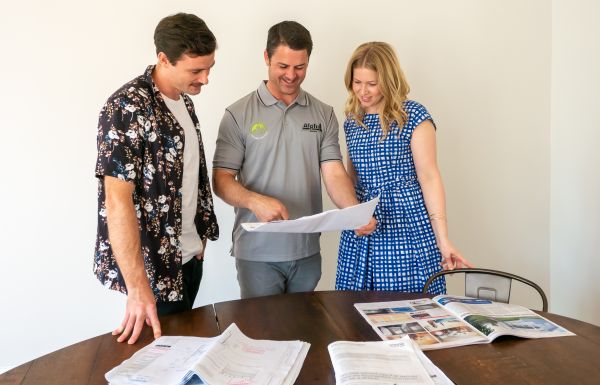
Help you to keep your design budget on track and your feet on the ground:
Your builder can make clever and practical suggestions during the design process. This ensures both aesthetic and cost-effective designs are taking place from the start. It is easy to get swept away with beautiful designs and features. Try and anchor yourself with your budget and be VERY clear with the designer what that budget is. Your builder will also flag any parts of the design that may be heading out of your budget safety zone.
Here are some of the financially heavy hitting structural items that your builder will consider within your design:
- Timber vs Steel structural elements.
- Flashing details (weather tightness design)
- Joinery suggestions for windows and doors - timber/aluminium pros and cons.
- Cladding, depending on how much of this is needed, this can be a big-ticket item.
- Roof design and construction vs repair or replacement.
- What requires consent and what does not.
- Deck/porch design – size, materials, compliance, height.
- The complexity of the site, storm water, amenities, flood zones, access to site.
- The scale of the renovation/extension vs the shuffling of existing spaces to make better use of them, size literally means $$$.
- Lifting the home/moving the home - repositioning/re-piling.
The list goes on with so many ways to stick to a budget and still achieve a beautiful renovation. Having your builder as an advocate to walk through the details with you is a fantastic tool to tap into early on. People are often unsure what should come first: the builder or the architect.
As we mentioned, it's great to start with a ballpark discussion with a builder first to know what you are looking at, then ideally, your builder and architect should work in unison to create the most cohesive approach for you and your renovation.
We've created the list below to figure out what you need from your renovation and prioritise:
Really think about how you want to live in your home – Feel vs usability, which areas are top priority?
- Who uses which room for what and when?
- What do you absolutely need in each space and how important is that space?
- What your design must haves are vs your dream mood board?
- What doesn’t work in your existing home, and why?
- What would you be gutted to not remedy by renovating your home?
- What would you be prepared to compromise on should you need to?
- Do you have children or pets? If so, how old are they, and what fittings/fixtures are most appropriate for them? And then in the long term, what does that look like?
- What level of dressing does each room require? Bathrooms/wet rooms and, of course, the kitchen are usually the bigger ticket items.
- Is this your long-term home or a stepping stone home? 5 years? 10 years? More? If it is more of a stepping-stone home, will the changes appeal to potential buyers?
These questions can really help to narrow down how you need to use your home and what areas need to be prioritised, and allocate your budget accordingly. Once you have ironed out the needs of your renovation and the ballpark cost/budget, you will be better armed to engage with a designer/architect. This process can take around a year, from the very first design meeting to starting the build portion of your project.
Stage 2 The renovation phase.
Your plans are approved & priced, how exciting! So, what now?
You have finally got your plans in your hot little hands and cannot wait to start your renovation project? GREAT! Let's see how you can keep your budget intact during your build...
We ask clients to please consider these pointers before they start…
Try not to feel the pressure to pre-purchase lots of ‘sale items’: Whilst it is very tempting to pre-purchase a raft of items, be it tiles, appliances, tapware, etc., try not to get too carried away. Sometimes there are changes to plans, etc., and you can end up having to sell these larger ticket items on market place for much less than what you purchased them for.
Again, keep talking to your builder and ask if it is now a safe time to purchase that dreamy oven that’s on sale this weekend, etc. By all means, earmark them and save them in a file so that you have made some choices that you love, but don’t feel pressured to purchase them unless there are limited numbers.
Also, Alpha 1 has trade accounts with many suppliers such as Noel Leeming’s, Lighting Direct, ABI Interiors, Elite plumbing and so on. The discount we receive is passed directly to you, so the ‘sale price’ isn’t necessarily any better than our direct trade pricing to you, so it pays to check first. We have a lovely list compiled for you. Just ask, and we’ll send it to you via email
Avoid making major changes once you have started your renovation:
Make sure to have a detailed plan that you are 100% happy with before you start. Major changes to plans can be costly.
They can cause unnecessary delays in your renovation schedule. With additional costs for the architect and council, plus any trades involved. Of course, some minor changes are unavoidable, especially when renovating older homes, which is what your contingency sum is for.
We would certainly recommend you discuss any changes you are considering with your builder first, covering off what costs would be associated with them, so that you can make an informed decision before approaching the architect to change the plans. It’s also a great time to double-check how your budget/timeline is running to ensure you have the funds to make those changes.
Ask yourself, do you really need/ how important is that? when selecting fittings and fixtures.
If you find yourself starting to head over your budget, simply ask yourself – Do you really need that, or to spend that much? The range in costs when it comes to furnishing and finishing your renovation is huge. Here are some areas where you can certainly trim costs.
- Timber joinery or aluminium?
There is a difference in price for creation, installation and maintenance as well as thermal properties.
We initially considered timber joinery for our bungalow extension, but as the extension is unseen from the front of the home, we decided to go with chunky profiled aluminium joinery, which still looks great. The maintenance of aluminium is much less than that of timber, too. We wouldn't have changed the front of the home to aluminium as it can drastically alter the character look and feel of the home, it's a timber lover's personal choice, of course.
2. Standard-sized doors, windows & cabinetry. 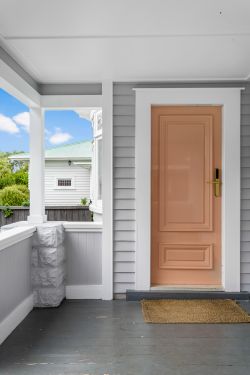
Whilst it’s lovely to have custom-sized doors, windows and cabinetry, they can cost a fair amount more, and are they really necessary?
The same can be said about solid doors vs hollow doors and so on. Once they are painted and in place, they will be part of a bigger picture in the overall feel of your beautiful home.
Chat with your builder about what the best options are for you within the standard sizing range so that you can see the price difference and make an informed choice.
There is a noticeable price difference for any customised product, and doors are no exception.
3. Hardwood flooring options. 
There are some amazing products to consider, which can shave off some hard-earned dollars when it comes to flooring products. Depending on the condition of your existing floors, you can either repair them/refresh and try to match them in any extension where the floor is exposed. Or you may be better off looking to overlay/replace them, talk to your builder to see what will get the best results and the costs associated. Some building teams can also install, or it may make sense to use the flooring company for both materials and installation.
Our floors at home were terrible, so we used Vidaspace Stanley planks, and we love them. They have a thin layer of hardwood as the top layer, so you can do 2 to 3 sands to refresh them before replacement. This also allows you flexibility to fix stained timber, too.
There are thicker options which allow for more sanding; these, of course, are priced accordingly. There are also composite flooring options, vinyl, laminate and the list goes on. All with different pros and cons and price points.
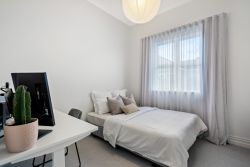 4. Custom window furnishings.
Soft furnishings can really add up. If you have standard window sizes, you can easily check out off-the-shelf options and perhaps save up for those custom options a little further down the track, if your budget is feeling a little tighter. We also have a commercial account with Harrisons, so we can gain better pricing for you should you require custom sizes of tracks or fabrics to suit your windows/doors.
5. 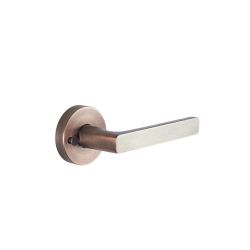 Door & window hardware.
Again, this is a huge potential cost-saving opportunity. Hardware can be very pricey indeed, especially if you are looking to replace your old window & door hardware to match the new doors, etc.
We suggest that you purchase a reputable brand with a good warranty. The functionality will be good, and you can find some great options off the shelf.
Ask yourself how long someone spends admiring your internal door handles?
After much searching, we chose Schlage aged copper door handles from Bunnings, and they look great, like an antique iron look, but without the hefty price tag. I've attached an image for you (this one is just over $100.00). They also have pull handles for cavity sliders in the same finish and passage sets/dummy handles for cupboard doors, door stops too. Link here: https://www.bunnings.co.nz/schlage-aged-brushed-copper-medio-series-rivera-privacy-set_p0135494
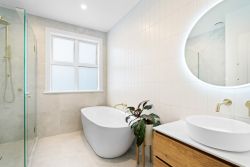 6. Baths & showers.
Who doesn’t love the look of a stone bath? Or a stylish double walk-in shower?
Of course we do! But the question is, do you need them?
Yes, your bathroom should be lovely and aesthetic as well as functional, but once all the initial visiting ooh’s and ahhh’s are done, how long do people spend in the bathroom?
With this in mind, we chose an egg-shaped acrylic bath, which still looks great and keeps the water warm for our 4-year-old (full disclosure, he is the only one who regularly uses it). This definitely helped us to stay on budget when renovating. We still achieved a beautiful master bathroom that our visitors often compliment.
7. Tiles
Over the last 10 or so years, we have gotten very accustomed to fully tiled bathrooms, powder rooms and en-suites.
With beautiful hand-pressed tiles in impressive patterns. To be fair, they are stunning, but do the features need to be on every wall right up to the ceiling? Or is there another way? There are ways to achieve a beautiful bathroom without it needing to be floor-to-ceiling marble sheets.
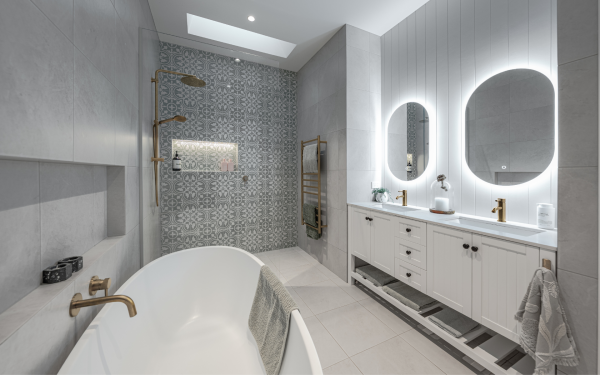
At our place, we carefully chose a feature tile for certain walls, with a very well-priced basic tile for the floors and some of the other walls. Then teamed it up with some hardy groove panelling to soften and tie it back into the period of the bungalow, or painted gib walls.
We have received so many compliments on the feature tiles and the panelling, and it shaved a good chunk from our reno budget. Money that we so desperately needed to re-pile and physically build the extension. So total win-win.
8. Customised cabinetry and off-the-shelf cabinetry
Again, this is an area where you can save some money.
Perhaps having a mix of the two is a good option? What I mean by this is prioritising your spaces by having some customised cabinets in your kitchen/dining where you entertain and live most of your life.
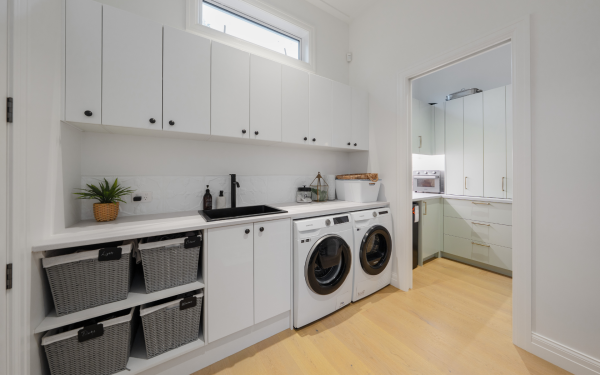
Then, having a more budget-friendly option in your laundry/service areas that only you see and use day to day?
There are some great off-the-shelf options, for example, we got our laundry cabinets and countertop from the Bunnings Kaboodle range, and our laundry looks great and works perfectly for us and for the job it needs to do. We made a feature of the black sink and tap with matching handles. It's white, bright and practical with a laminate bench and oodles of storage options. What more can you need for a laundry??
We went for Marton Lee Kitchens shaker cabinets in our kitchen and living area with stone tops.
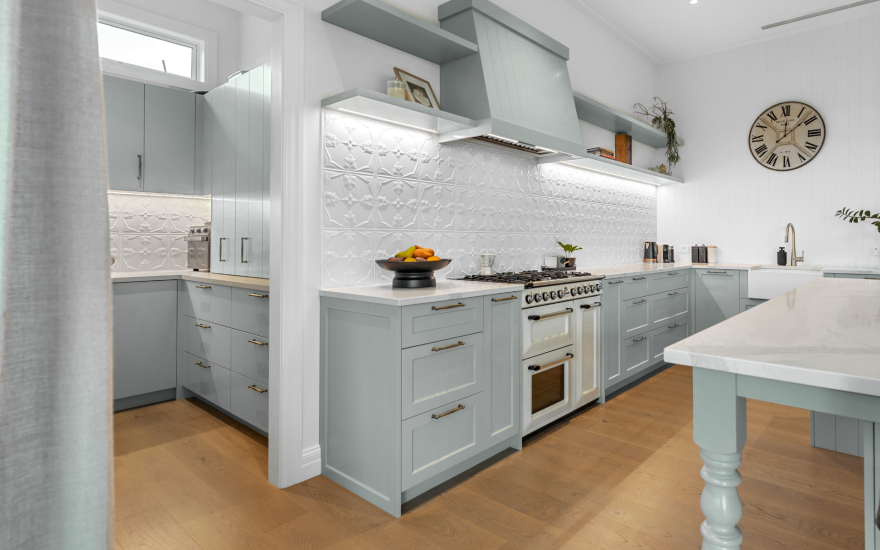 But pulled back to plain cabinet fronts and a laminate bench in our butler’s pantry. Matching it with our custom colour Karen Walker Resene half Robin Egg, and with the same handles as the kitchen. Both the continuity of colour and handles throughout mirrors the style; no one looks twice, and it still feels gorgeous, but is actually much cheaper and easier to clean.
The same can be said for your en-suite. Do you need a tiled walk-in shower, or is an updated shower box and mixer enough with new flooring and a gorgeous cabinet?
Hopefully, by now you can see that if you start applying this idea throughout your home, you will be pleasantly surprised by how quickly the savings can add up.
There are some great off-the-shelf options, for example, we got our laundry cabinets and countertop from Bunnings, and our laundry looks great and works perfectly for us and for the job it needs to do.
Choosing cohesive colours and styles helps to blend different finishes and materials. Personally, I feel that having an older home allows it to be more eclectic and not perfectly matchy, matchy. It adds character to a character property. I mean, they are called character homes for a reason; it’s nice for them to have some personality and quirks that make them unique.
Your builder can advise you on what to expect when renovating, Such as those listed below and more...
- Timeframes: How long is the project likely to take? How is your job planned out on a calendar?
- What major parts are happening when?
- When is the best time to undertake your particular type of project?
- What to expect with Council Consents. What is required?
- How much will they cost? And how to go about achieving compliance.
- When you will need to have certain decisions made and items purchased within the projected calendar of works.
- Can you still live in the property? If there is a period for you to move out, how long for and when?
As you can see, there are lots of things to consider, and your builder is there to help you have the best experience and achieve top results, so you should utilise them as much as you can during the design stage, build stage and consents stage. It's also why we strongly suggest engaging with a character renovation specialist. It really is completely different to a New Build.
Keen to talk through options for your home? Get in touch with us, we'd love to help!